


File Your Partnership Return Accurately
Partnership tax preparation in Whittier, California for multi-owner businesses with K-1 allocation and compliance support.
Your partnership does not pay income tax at the entity level, but it must file an annual return that allocates profit, loss, and deductions to each partner according to the ownership agreement. In Whittier, multi-owner businesses often face confusion about how to split income when partners contribute different amounts of capital or labor, and mistakes in allocation can trigger IRS notices or state penalties. Uptown Advisors prepares federal and California partnership returns, generates accurate K-1 schedules for each partner, and provides structuring guidance to ensure distributions and profit shares align with your operating agreement.
Your return preparation includes a review of your bookkeeping records, capital account balances, and any guaranteed payments made to partners for services. If one partner manages daily operations while another provides funding, your preparer allocates income and deductions according to your agreement and tracks basis adjustments that affect each partner's ability to deduct losses. Whittier partnerships also receive California-specific guidance on LLC fees, franchise tax, and state-level allocation rules that differ from federal treatment.
Uptown Advisors coordinates partnership tax preparation with individual partner filings to prevent discrepancies between entity and personal returns.
What Goes Into Partnership Return Preparation
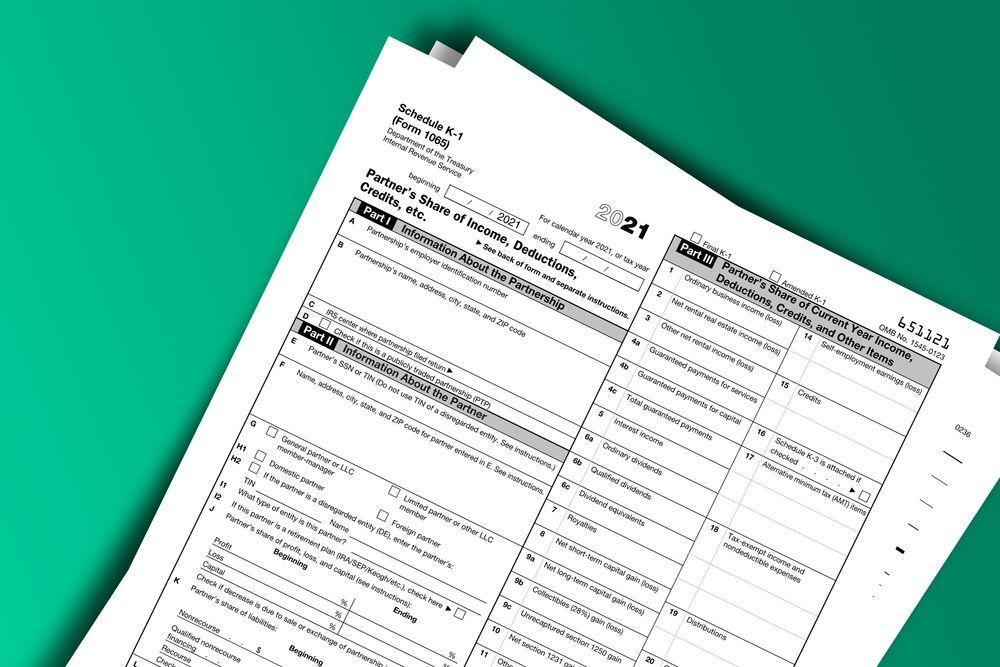
Your preparer reviews the year-end balance sheet, profit and loss statement, and partnership agreement to confirm how income and expenses are allocated among partners. In Whittier, you meet to discuss any changes in ownership percentage, capital contributions, or distributions that occurred during the year. The preparer then files Form 1065 for federal reporting and California Form 565, along with Schedule K-1 for each partner showing their share of taxable income, self-employment earnings, and deductions.
After filing, each partner receives a K-1 to include on their individual tax return, and your preparer explains how the partnership income affects personal tax liability and estimated payments. Basis tracking ensures that partners can deduct their share of losses only to the extent they have invested capital or guaranteed debt. If the partnership operates rental properties or holds investments, the preparer classifies income as passive or active and provides guidance on at-risk and passive activity limitations.
Bookkeeping alignment before tax season prevents delays and ensures that capital accounts, draws, and guaranteed payments are classified correctly. If your partnership operates in multiple states, your preparer files composite returns or provides each partner with state allocation schedules. This approach keeps your entity compliant and ensures that each partner's K-1 accurately reflects their share of income and deductions for federal and California purposes.
Partnership owners in Whittier often want to know how profit allocation works, when guaranteed payments apply, and what happens if the partnership loses money. The answers below address the most common concerns that arise before preparing your return.
Questions Partners Ask Before Filing
A K-1 is a schedule that reports your share of partnership income, deductions, and credits, which you include on your individual tax return. The partnership files one return, but each partner pays tax on their allocated share based on the ownership percentage or special allocation rules in your agreement.
What is a K-1 and why does each partner receive one?
Guaranteed payments are fixed amounts paid to a partner for services, regardless of partnership profit, and they are subject to self-employment tax. Profit distributions are variable and depend on the partnership's net income, and they may or may not trigger self-employment tax depending on your role and the type of income.
How do guaranteed payments differ from profit distributions?
Federal Form 1065 is due March 15, and California Form 565 follows the same deadline. Your preparer can file an extension that moves the due date to September 15, giving you more time to finalize bookkeeping and capital account records.
When is the partnership tax return due?
Each partner can deduct their share of the loss on their individual return, but only to the extent of their basis in the partnership. If you have not contributed enough capital or guaranteed debt, your loss deduction is suspended until future years when you increase your basis.
What happens if the partnership has a loss for the year?
California imposes an annual LLC fee based on gross receipts if your partnership is structured as an LLC. Your preparer calculates the fee and includes it with your California return to ensure compliance with state requirements.
Why does California charge an LLC fee to partnerships?
If you co-own a business in Whittier and need accurate partnership return preparation, K-1 allocation, and coordination with individual partner filings, Uptown Advisors provides comprehensive service that aligns with your operating agreement and state compliance requirements.